
Editorial JournalGlobal Mobility

Why International Buyers Are Looking Beyond Traditional Luxury Markets

March 20268 min readNew
Why International Buyers Are Looking Beyond Traditional Luxury Markets

Executive Summary

A growing share of internationally mobile families are reconsidering where they hold property, where they spend time, and where they establish residency. The traditional luxury centres remain important — but they are no longer the default. Panama belongs to a small group of jurisdictions benefitting from this quiet repositioning of capital, and the reasons are worth understanding clearly.

What is changing

Several of the most established luxury markets have become more difficult to own in — through higher transaction costs, more demanding reporting, restrictive foreign-buyer rules, or simply diminished day-to-day liveability. None of this is catastrophic; it is incremental, and the cumulative effect is a slow re-evaluation by long-horizon owners.

The buyers driving this shift are not chasing yield. They are reconsidering what a permanent international position should look like for the next twenty years.

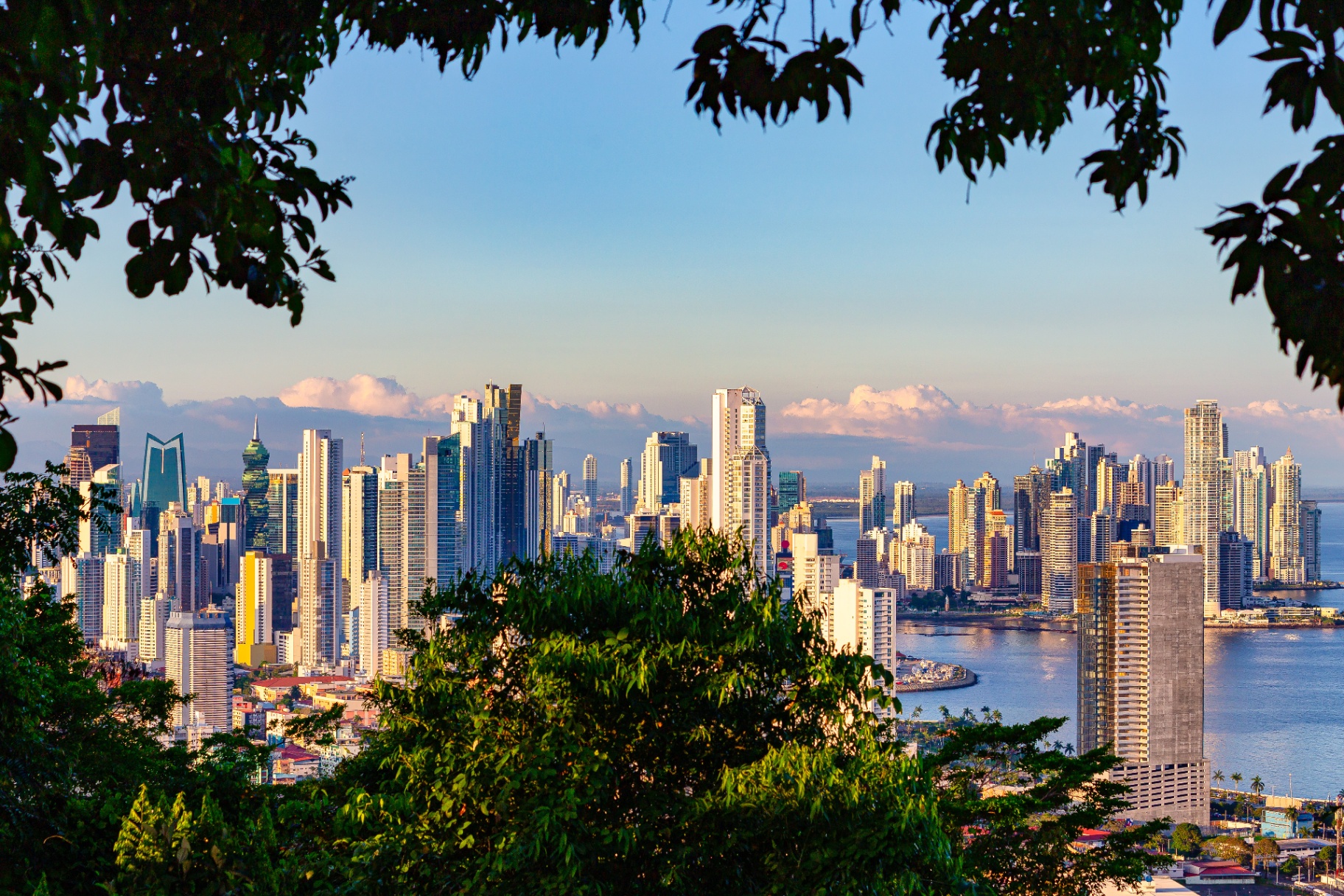
Why Panama enters the conversation

Panama offers a coherent combination that very few jurisdictions match: a dollarized economy, an open and structured residency framework, territorial taxation, time-zone alignment with the United States, and direct connectivity to most major hemispheres.

It is not a market for everyone, and it should not be. For the buyers it does suit, it provides a level of optionality that is genuinely difficult to assemble elsewhere.

How to think about the shift

The right response to changing conditions in traditional markets is not to abandon them, but to broaden the position. A considered Panama allocation can sit alongside existing holdings without disrupting them — and can quietly provide what the older positions no longer do.

The work is in the selection, the structuring, and the sequencing. Done properly, it is a one-time exercise that supports the family for decades.

Key Takeaways

  • Traditional luxury centres remain important but are no longer the automatic default.
  • Panama offers a rare combination: dollar economy, residency, territorial tax, and connectivity.
  • Broaden, do not replace — Panama complements rather than substitutes existing holdings.
  • Selection, structuring, and sequencing carry more weight than market timing.

Private Advisory

Considering Panama as part of a broader ownership, residency, or diversification strategy?

Schedule a confidential consultation with Engel & Völkers Panama Private Advisory.